Wampanoag & Pilgrims Lesson
Go beyond the simplified story and help students understand the real relationship between the Wampanoag people and the Pilgrims. For busy teachers with a low prep lesson, accompanied with a cinematic episode that introduces students to one of the most important and often misunderstood moments in early American history. Students will explore how cooperation, survival, and strategy shaped the connection between these two groups. When the Pilgrims arrived, they struggled to survive. The Wampanoag, led by Chief Massasoit, formed an alliance with them—teaching essential skills like farming, fishing, and how to live off the land, which helped the colony survive. This relationship created a period of peace that lasted for decades, but it was also complex and changed over time.
What Students Will Experience
- A deeper, more accurate understanding of the relationship between the Wampanoag people and the Pilgrims
- Insight into who the Wampanoag were and why they chose to help the Pilgrims survive
- Exploration of how cooperation, mutual benefit, and strategy shaped early interactions
- Understanding of how and why these relationships changed over time
- Opportunities to think critically about history beyond simplified stories
- Meaningful discussions that build empathy and perspective-taking
- Engagement with thought-provoking questions that encourage reflection and conversation
What’s Included:
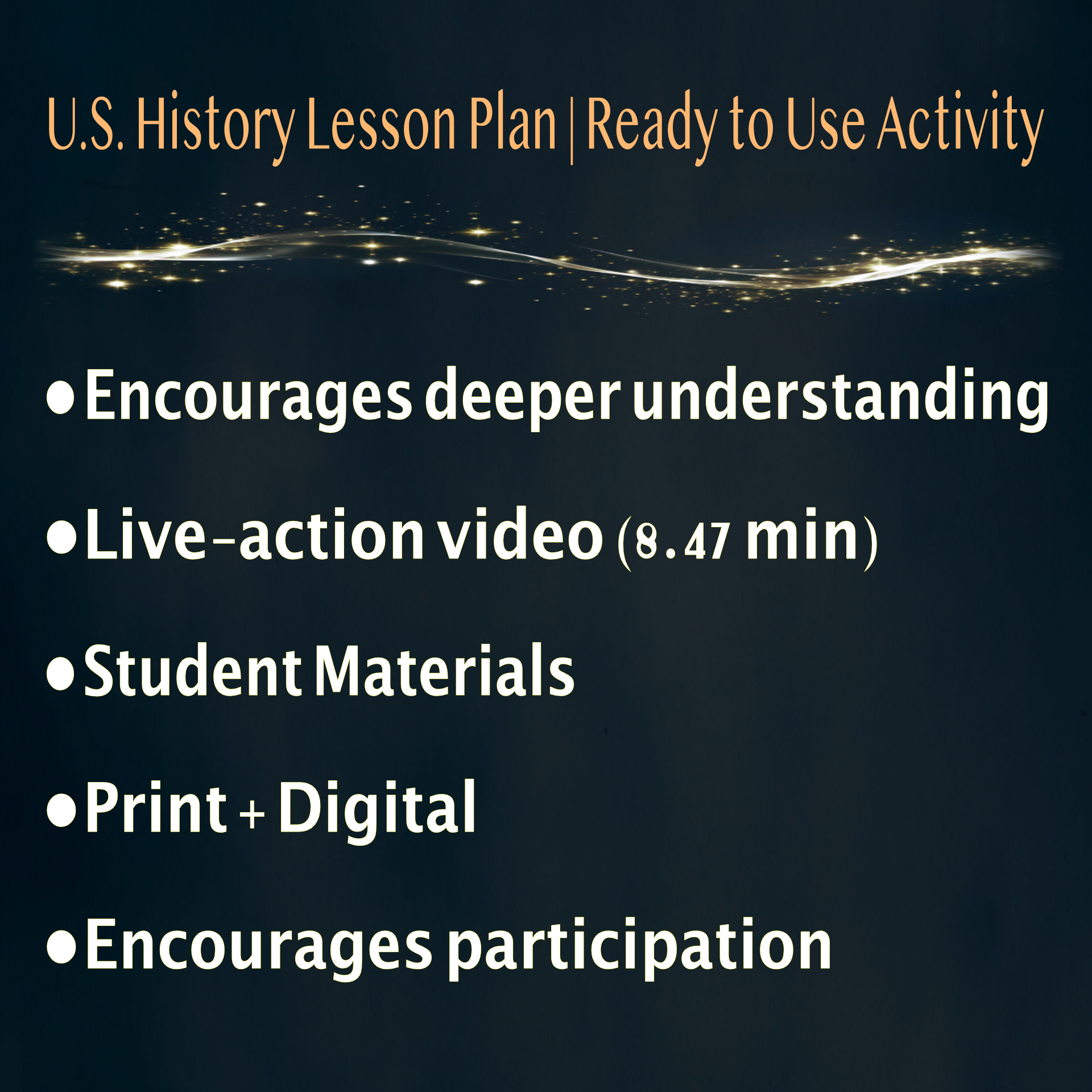
- Cinematic, student-friendly video lesson
- Printable worksheet and discussion-based activities
Why Teachers Love It:
- Low-prep, ready-to-use lesson for busy schedules
- Presents a more accurate and balanced view of early American history
- Encourages critical thinking without overwhelming students
- Supports meaningful classroom discussions and deeper engagement
- Helps students move beyond myths in an age-appropriate way
- Flexible for classroom, homeschool, or independent learning
- Combines visual storytelling with guided activities for stronger understanding and retention
Wampanoag & Pilgrims Lesson
Go beyond the simplified story and help students understand the real relationship between the Wampanoag people and the Pilgrims. For busy teachers with a low prep lesson, accompanied with a cinematic episode that introduces students to one of the most important and often misunderstood moments in early American history. Students will explore how cooperation, survival, and strategy shaped the connection between these two groups. When the Pilgrims arrived, they struggled to survive. The Wampanoag, led by Chief Massasoit, formed an alliance with them, teaching essential skills like farming, fishing, and how to live off the land, which helped the colony survive. This relationship created a period of peace that lasted for decades, but it was also complex and changed over time.
What Students Will Experience
- A deeper, more accurate understanding of the relationship between the Wampanoag people and the Pilgrims
- Insight into who the Wampanoag were and why they chose to help the Pilgrims survive
- Exploration of how cooperation, mutual benefit, and strategy shaped early interactions
- Understanding of how and why these relationships changed over time
- Opportunities to think critically about history beyond simplified stories
- Meaningful discussions that build empathy and perspective-taking
- Engagement with thought-provoking questions that encourage reflection and conversation
What’s Included:
- Cinematic, student-friendly video lesson
- Printable worksheet and discussion-based activities
Why Teachers Love It:
- Low-prep, ready-to-use lesson for busy schedules
- Presents a more accurate and balanced view of early American history
- Encourages critical thinking without overwhelming students
- Supports meaningful classroom discussions and deeper engagement
- Helps students move beyond myths in an age-appropriate way
- Flexible for classroom, homeschool, or independent learning
- Combines visual storytelling with guided activities for stronger understanding and retention